
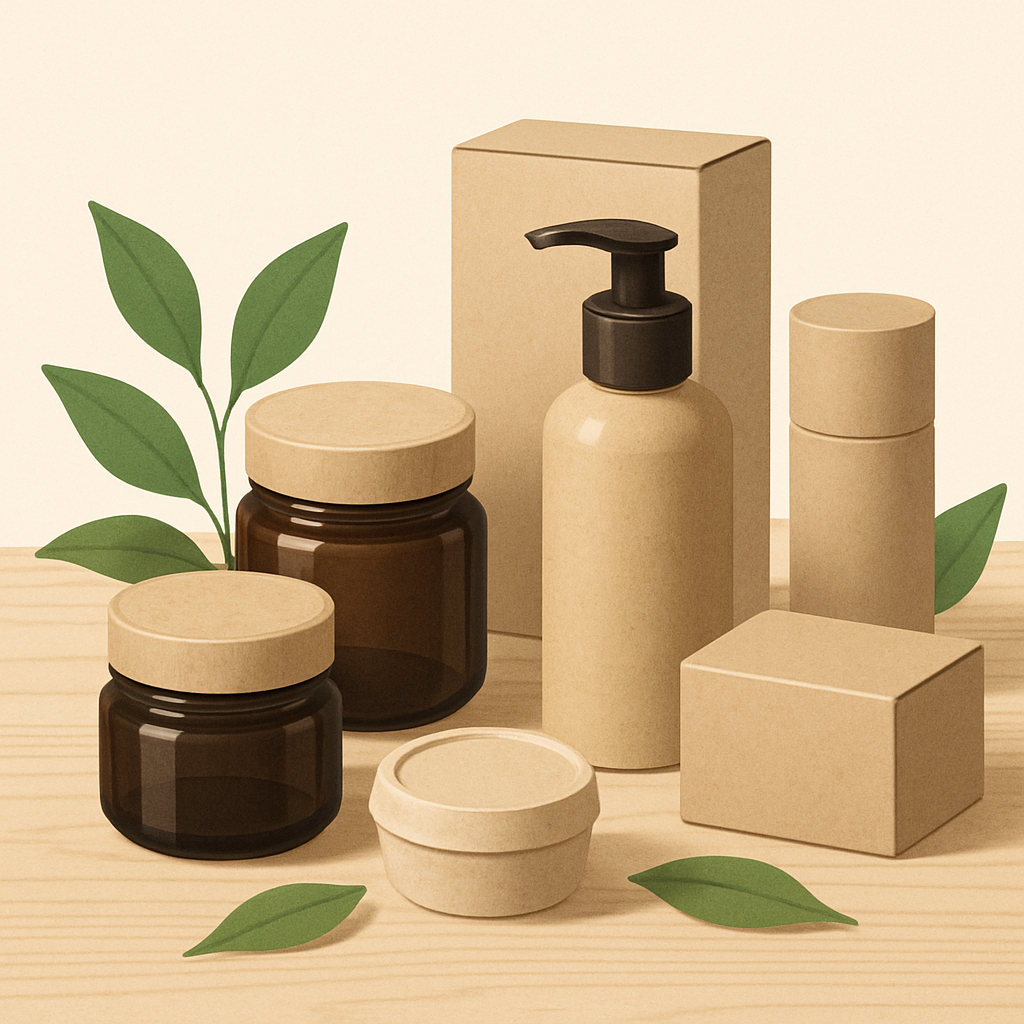
Introduction to Sustainable Packaging in Cosmetics
The cosmetics industry is undergoing a transformative shift towards sustainable packaging. Driven by environmental concerns and consumer demand for eco-friendly products, brands are rethinking how they package their cosmetics to reduce waste and carbon footprint.
Why Sustainable Packaging Matters in the Cosmetics Industry
- Environmental Impact: Traditional packaging contributes significantly to plastic pollution and landfill waste.
- Consumer Expectations: Modern consumers prefer brands that prioritize sustainability and transparency.
- Regulatory Pressure: Governments worldwide are enforcing stricter packaging waste regulations.
Key Eco-Friendly Packaging Solutions
1. Biodegradable and Compostable Materials
Materials like cornstarch, sugarcane, and paperboard that break down naturally reduce lasting waste.
2. Recycled and Recyclable Packaging
Using post-consumer recycled plastics and encouraging recycling helps close the loop.
3. Refillable and Reusable Containers
Designing packaging that customers can refill or reuse extends product life and reduces overall waste.
4. Minimalist and Lightweight Designs
Reducing material use and simplifying designs lowers resource consumption and shipping emissions.
Packaging Design Trends Shaping the Future
- Transparent Sustainability: Clear labeling of eco-friendly credentials boosts consumer trust.
- Natural Aesthetics: Earth tones and textures reflect environmental values.
- Smart Packaging: QR codes and digital tags provide recycling instructions and brand stories.
Examples of Brands Leading the Shift
- Lush: Uses 100% recycled and biodegradable packaging, with refill stations in stores.
- Herbivore Botanicals: Offers glass jars designed for reuse and recyclable paper boxes.
- RMS Beauty: Employs aluminum and glass containers to maximize recyclability.
Steps for Cosmetics Brands to Implement Sustainable Packaging
- Conduct a packaging lifecycle assessment to identify impact areas.
- Choose materials with lower environmental footprints.
- Design for recyclability and consumer convenience.
- Partner with suppliers specializing in sustainable materials.
- Educate consumers on proper disposal and reuse.
Frequently Asked Questions (FAQ)
What is sustainable packaging?
Sustainable packaging refers to packaging solutions designed to minimize environmental impact through materials, design, and lifecycle management.
How does sustainable packaging benefit the cosmetics industry?
It reduces waste, meets consumer demand for green products, and helps companies comply with regulations.
Are eco-friendly packaging materials more expensive?
Costs can be higher initially, but long-term savings and brand loyalty often offset these expenses.
Can all cosmetics products use sustainable packaging?
While some products require specific packaging for safety, many can transition to eco-friendly alternatives with innovation.
How can consumers support sustainable packaging?
By choosing products with eco-friendly packaging, reusing containers, and properly recycling after use.
Conclusion
The shift towards sustainable packaging in the cosmetics industry is not just a trend but a necessary evolution. Brands adopting eco-friendly packaging solutions not only contribute to environmental preservation but also build stronger connections with conscious consumers. Embracing these changes today prepares the cosmetics industry for a greener, more sustainable future.
Ready to make your cosmetics brand more sustainable? Start by evaluating your packaging choices and exploring innovative eco-friendly materials today.