
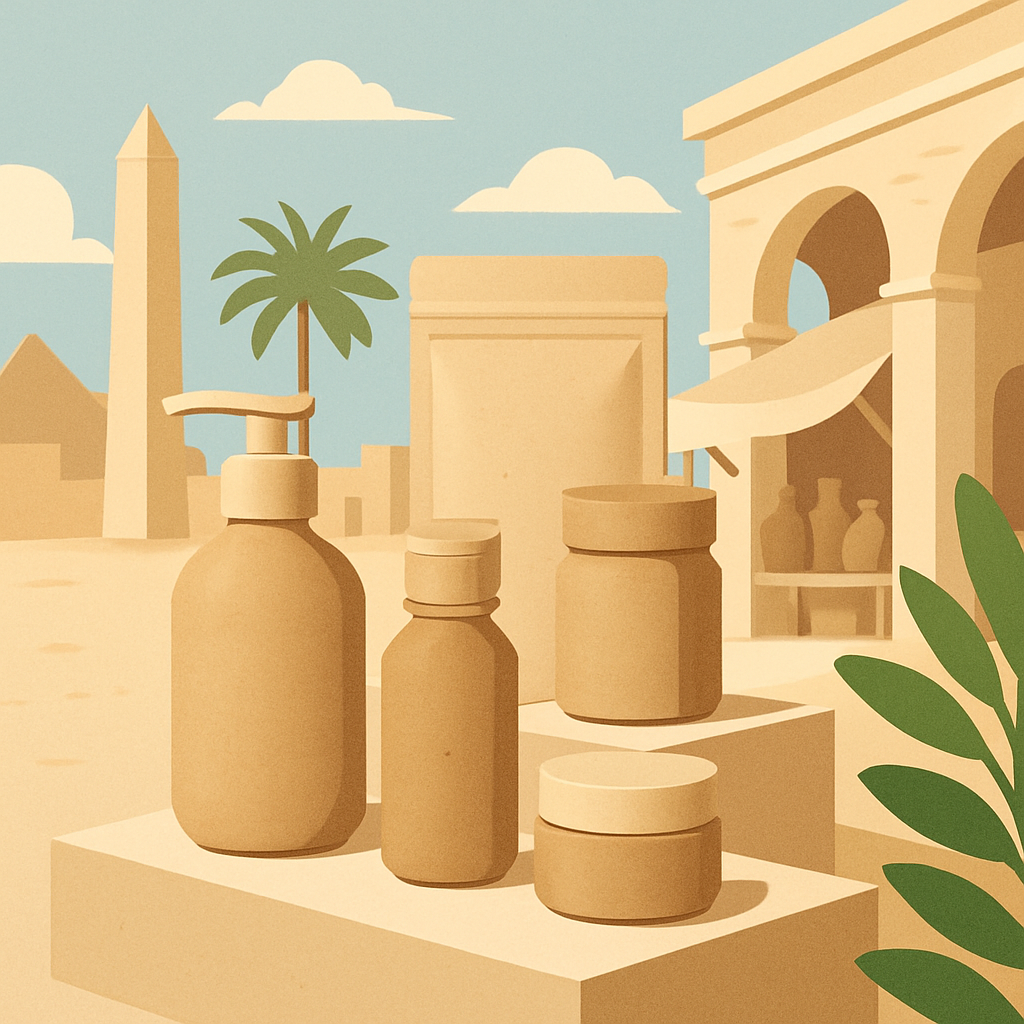
Introduction to Sustainable Packaging in Egypt
As global awareness of environmental issues grows, Egypt’s supplement, cosmetics, and pharmaceutical industries are shifting towards sustainable packaging. This transition not only reduces environmental impact but also aligns with consumer preferences for eco-conscious products.
Why Sustainable Packaging Matters
- Environmental Impact: Reduces waste, carbon footprint, and pollution.
- Consumer Demand: Increasing preference for brands with eco-friendly values.
- Regulatory Compliance: Aligns with emerging local and international regulations on packaging waste.
Current Trends in Sustainable Packaging Design in Egypt
Businesses in Egypt are adopting several innovative approaches to sustainable packaging:
- Use of Biodegradable Materials: Materials like PLA, paperboard, and cornstarch-based plastics are gaining popularity.
- Minimalist Packaging: Reducing packaging size and layers to minimize waste.
- Reusable Containers: Encouraging consumers to reuse packaging for supplements and cosmetics.
- Refillable Systems: Particularly in cosmetics, refill stations are becoming a new trend.
- Smart Packaging Design: Combining sustainability with functionality, such as easy separation for recycling.
Sustainable Packaging in Egypt’s Key Industries
Supplement Packaging
- Use of recycled PET bottles and paper-based labels.
- Vacuum-sealed biodegradable pouches to preserve freshness with less plastic.
- Clear communication on packaging about recyclability and disposal.
Cosmetic Packaging
- Glass jars and bottles replacing plastic containers.
- Plant-based inks and dyes for printing labels.
- Innovative refill stations in urban areas to encourage reuse.
Pharmaceutical Packaging
- Child-resistant, eco-friendly blister packs made from compostable materials.
- Use of lightweight, recyclable cartons and paper inserts.
- Integration of anti-counterfeiting features without compromising recyclability.
Steps for Businesses to Adopt Sustainable Packaging
- Assess Packaging Needs: Evaluate current packaging materials and waste.
- Research Sustainable Alternatives: Identify eco-friendly materials that meet quality requirements.
- Partner with Suppliers: Work with local and international suppliers specializing in sustainable materials.
- Redesign Packaging: Incorporate minimalist and reusable design principles.
- Educate Consumers: Use packaging to inform customers about sustainability efforts and proper disposal.
- Monitor and Improve: Continuously evaluate packaging impact and adapt to new trends.
Frequently Asked Questions (FAQ)
What defines sustainable packaging?
Sustainable packaging uses materials and designs that minimize environmental impact through recyclability, biodegradability, or reuse.
Are sustainable packaging materials more expensive?
Initially, costs may be higher, but long-term savings and consumer loyalty often outweigh these expenses.
How can consumers support sustainable packaging efforts?
By choosing products with eco-friendly packaging, properly recycling, and reusing containers when possible.
Is sustainable packaging feasible for pharmaceuticals in Egypt?
Yes, advances in biodegradable and recyclable materials make it increasingly viable without compromising safety.
What are the biggest challenges in adopting sustainable packaging?
Challenges include sourcing affordable materials, maintaining product integrity, and educating consumers.
Conclusion
Egypt’s supplement, cosmetics, and pharmaceutical industries are actively embracing sustainable packaging to meet environmental challenges and market demands. By adopting innovative materials and design trends, businesses can enhance brand reputation, comply with regulations, and contribute to a greener future.
Start your journey toward sustainable packaging today—partner with eco-conscious suppliers and redesign your packaging to make a lasting impact.