
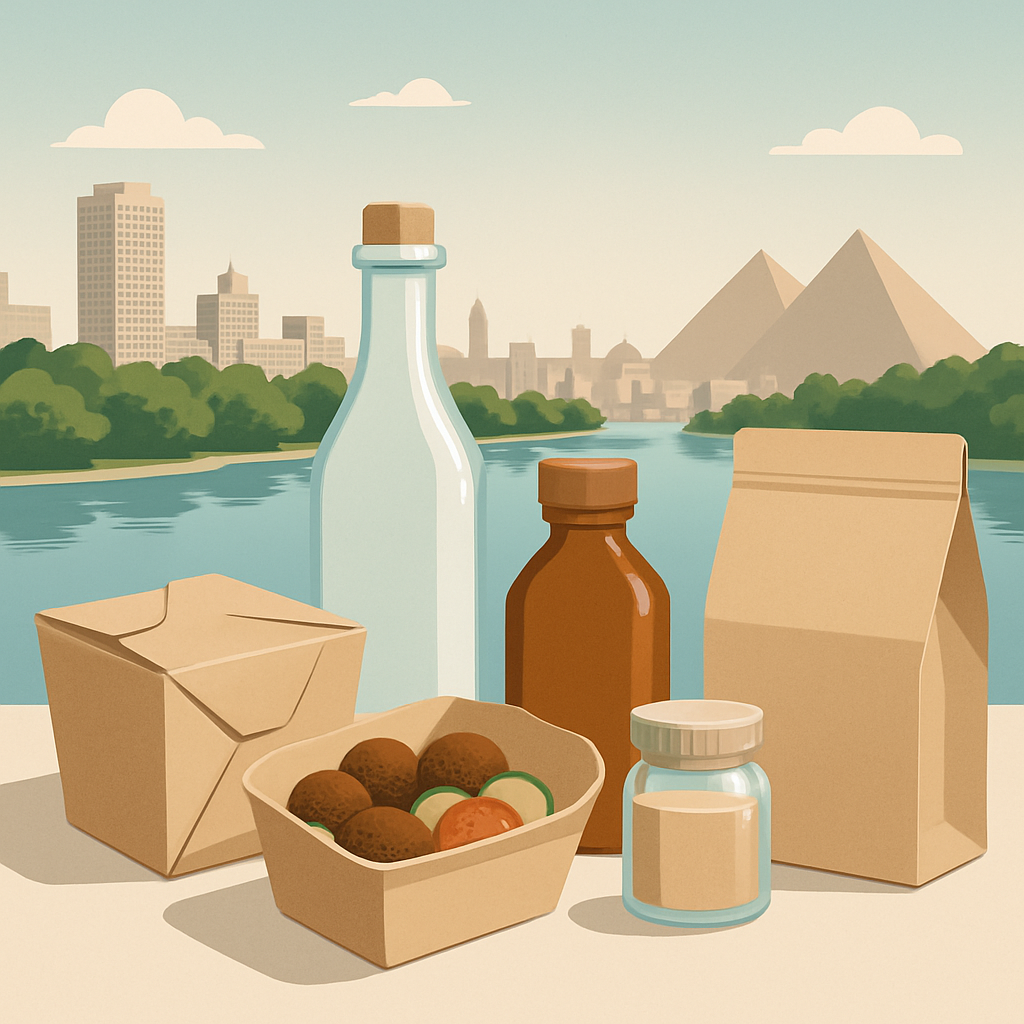
Introduction to Sustainable Packaging in Egypt
Egypt’s food and pharmaceutical industries are witnessing a significant shift towards sustainable packaging solutions. This transformation is driven by increasing environmental concerns, regulatory pressures, and consumer demand for eco-friendly products. Sustainable packaging Egypt not only reduces waste but also enhances brand value and complies with global standards.
Why Sustainable Packaging Matters
- Environmental Impact: Reduces plastic pollution and landfill waste.
- Consumer Preference: Growing demand for green products influences buying decisions.
- Regulatory Compliance: Aligns with Egypt’s environmental policies and global sustainability goals.
Sustainable Packaging Trends in Egypt’s Food Industry
The food industry in Egypt is adopting innovative eco-friendly packaging to preserve freshness while minimizing environmental footprint.
- Biodegradable Films: Use of plant-based films that decompose naturally.
- Recyclable Materials: Incorporation of recyclable plastics and paper-based packaging.
- Minimalist Design: Reducing packaging layers and materials to cut waste.
- Smart Packaging: Integrating QR codes to educate consumers on recycling and sustainability.
Sustainable Packaging in Egypt’s Pharmaceutical Sector
Pharmaceutical packaging demands high safety and regulatory standards, making sustainable options more challenging but increasingly feasible.
- Glass and Aluminum Packaging: Reusable and recyclable alternatives to plastics.
- Eco-friendly Blister Packs: Using biodegradable or recyclable materials.
- Lightweight Packaging: Reducing material usage and carbon footprint during transportation.
- Child-Resistant and Sustainable: Combining safety with eco-conscious materials.
Steps to Implement Sustainable Packaging in Egypt
- Assess Current Packaging: Identify environmental impacts and areas for improvement.
- Research Materials: Explore locally available eco-friendly options.
- Collaborate with Suppliers: Partner with sustainable packaging manufacturers in Egypt.
- Design for Sustainability: Focus on minimalism, recyclability, and consumer education.
- Test and Iterate: Pilot new packaging and gather feedback.
- Market the Change: Communicate sustainability efforts clearly to consumers.
Examples of Sustainable Packaging Initiatives in Egypt
- Food Brand X: Switched to biodegradable trays made from sugarcane fiber.
- Pharma Company Y: Introduced recyclable aluminum tubes for ointments.
- Packaging Designer Z: Developed minimalist packaging reducing plastic use by 40%.
Packaging Design Trends Egypt
Designers in Egypt are increasingly focusing on:
- Natural Colors and Textures: Using earthy tones to reflect sustainability.
- Informative Labels: Highlighting eco-friendly features and recycling instructions.
- Modular Packaging: Allowing reuse and easy recycling.
FAQs About Sustainable Packaging in Egypt
1. What materials are most commonly used in sustainable packaging in Egypt?
Biodegradable plant-based films, recyclable plastics, paperboard, glass, and aluminum are popular choices.
2. How does sustainable packaging benefit the food and pharmaceutical industries?
It reduces environmental impact, meets consumer demand, ensures regulatory compliance, and can improve brand reputation.
3. Are sustainable packaging options more expensive in Egypt?
Initially, costs may be higher, but long-term savings from waste reduction and consumer preference often offset these expenses.
4. How can companies transition to sustainable packaging effectively?
By assessing current packaging, researching materials, collaborating with suppliers, and educating consumers about the benefits.
5. What role does government regulation play in sustainable packaging adoption?
Egypt’s environmental policies encourage reduced plastic use and promote recycling, influencing industry practices.
Conclusion
The shift toward sustainable packaging in Egypt’s food and pharmaceutical industries is both necessary and advantageous. By embracing eco-friendly materials and innovative designs, companies can reduce their environmental footprint while meeting consumer expectations and regulatory demands.
Take the next step: Evaluate your packaging today and explore sustainable options to lead Egypt’s green packaging revolution.