
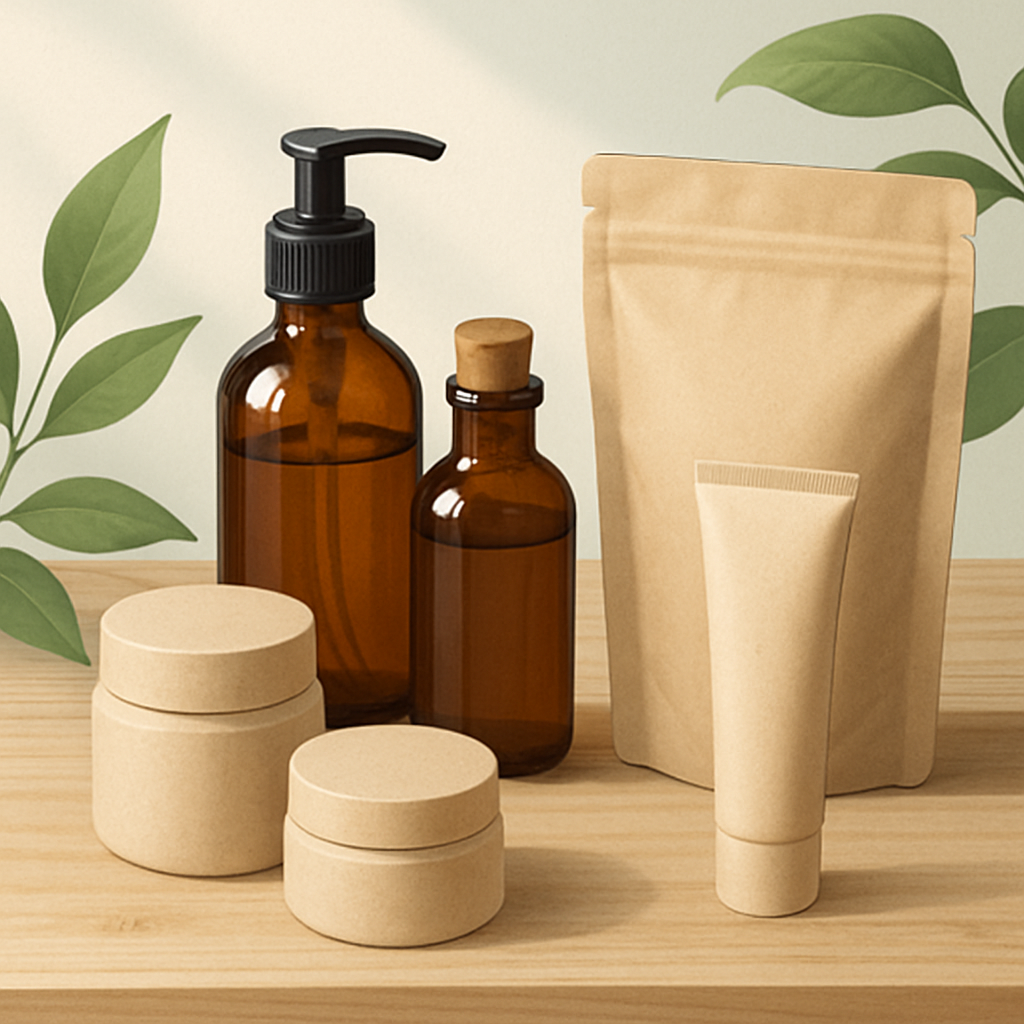
Introduction to Sustainable Packaging in the Health and Beauty Industry
The health and beauty industry is undergoing a significant transformation as it embraces sustainable packaging solutions. From supplements to cosmetics and pharmaceuticals, companies are adopting eco-friendly packaging to reduce their environmental footprint and meet growing consumer demand for responsible products.
Why Sustainable Packaging Matters
- Environmental Impact: Traditional packaging materials contribute heavily to landfill waste and pollution.
- Consumer Expectations: Modern consumers prefer brands that demonstrate ecological responsibility.
- Regulatory Pressure: Governments worldwide are introducing stricter packaging waste regulations.
Eco-Friendly Packaging Trends in Supplements
Supplements often use plastic bottles and blister packs. Sustainable alternatives include:
- Glass Containers: Recyclable and reusable, ideal for vitamins and powders.
- Biodegradable Pouches: Made from plant-based materials, reducing plastic use.
- Refillable Packaging: Encourages consumers to reuse containers, minimizing waste.
Innovations in Cosmetics Packaging
Cosmetics packaging is evolving with sustainability at its core, featuring:
- Recycled and Post-Consumer Materials: Using recycled plastics and paper for containers and boxes.
- Minimalist Design: Reducing excess packaging, focusing on essential protection.
- Plant-Based Plastics: Bioplastics derived from renewable sources replace petroleum-based plastics.
Sustainable Packaging in Pharmaceuticals
Pharmaceutical packaging must maintain safety and efficacy while adopting eco-friendly options:
- Paper-Based Blister Packs: Combining protection and recyclability.
- Glass and Metal Containers: Durable, recyclable, and safe for sensitive medications.
- Smart Packaging: Reduces waste through better inventory and dosage management.
Steps to Implement Sustainable Packaging
- Assess Current Packaging: Identify materials and waste impact.
- Research Alternatives: Explore eco-friendly materials suitable for product needs.
- Collaborate with Suppliers: Source sustainable packaging from trusted vendors.
- Educate Consumers: Communicate sustainability efforts clearly.
- Monitor and Adapt: Continuously improve packaging based on feedback and innovation.
Frequently Asked Questions (FAQ)
1. What defines sustainable packaging in the health and beauty industry?
Sustainable packaging uses materials and designs that minimize environmental impact, such as recyclability, biodegradability, and reduced carbon footprint.
2. Are eco-friendly packaging options more expensive?
Initially, costs may be higher, but long-term savings arise from waste reduction, improved brand loyalty, and compliance with regulations.
3. How can consumers participate in sustainable packaging efforts?
Consumers can reuse containers, recycle properly, and choose brands committed to eco-friendly packaging.
4. What challenges does the industry face when switching to sustainable packaging?
Challenges include maintaining product safety, managing costs, and sourcing suitable materials that meet regulatory requirements.
5. Can sustainable packaging improve brand image?
Yes, adopting eco-friendly packaging can enhance brand reputation and attract environmentally conscious customers.
Conclusion
The shift towards sustainable packaging in the health and beauty industry is not only beneficial for the environment but also aligns with evolving consumer values and regulatory demands. By embracing eco-friendly packaging in supplements, cosmetics, and pharmaceuticals, businesses can lead the way to a greener future.
Ready to make your packaging sustainable? Start assessing your current materials today and explore eco-friendly alternatives to enhance your brand’s environmental responsibility.